
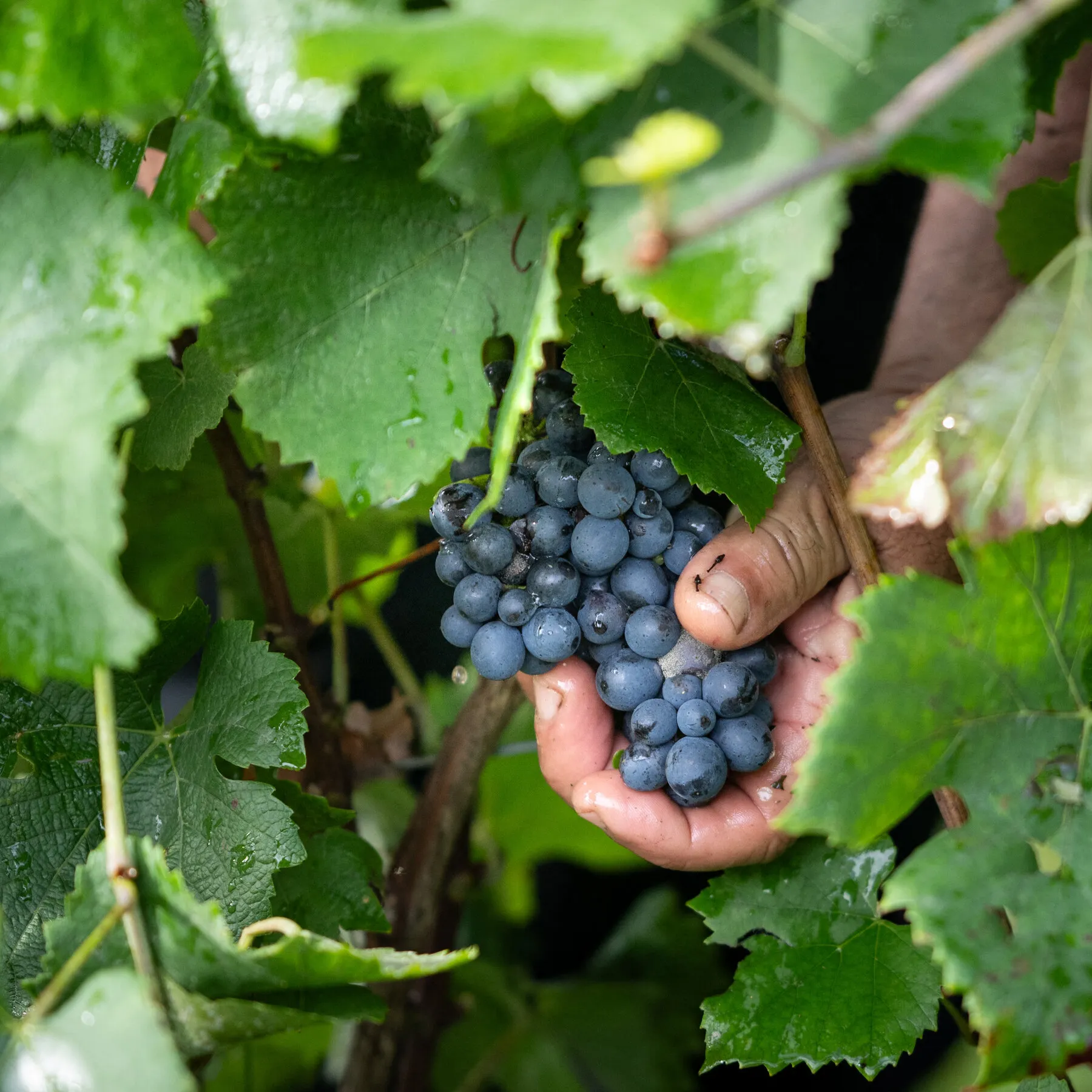
Ancient DNA Study Traces Early Domestication of Wine Grapes in France
Ancient DNA and early winemaking
Humans have been drinking wine for thousands of years, as shown in art from ancient Egypt, Mesopotamia and Rome. But scientists have continued to ask how much wine has changed over the millenniums, and how much humans shaped the evolution of grapes and their varieties.
A new study addresses those questions using ancient DNA preserved in grape seeds, or pips, recovered from archaeological sites in France. The research, published Tuesday in *Nature Communications*, presents an in-depth genetic analysis of ancient seeds from one of the world’s major cultural and geographic centers of the winemaking tradition.
The study found that humans in France were domesticating grapes for making wine by 650 B.C., around the time Greek settlers founded the port city of Marseilles. The researchers said the true date could be even earlier.
Grape varieties that endured
The study also examined how grape varieties changed, or did not change, over long stretches of time. According to the findings, lineages such as pinot noir and Folha de Figueira, a Portuguese white wine, remained essentially unchanged for hundreds of years or more.
That long-term stability reflects careful propagation efforts by humans. The findings suggest that some wine grapes have been maintained as the same genetic clones over remarkably long periods.
Jazmín Ramos Madrigal, an evolutionary genomics researcher at the University of Copenhagen who was not involved in the study, said it was "mind blowing" to think that humans had cultivated the same exact genetic clone of a plant for almost 1,000 years. She said the feat was especially notable compared with other domesticated crops.