
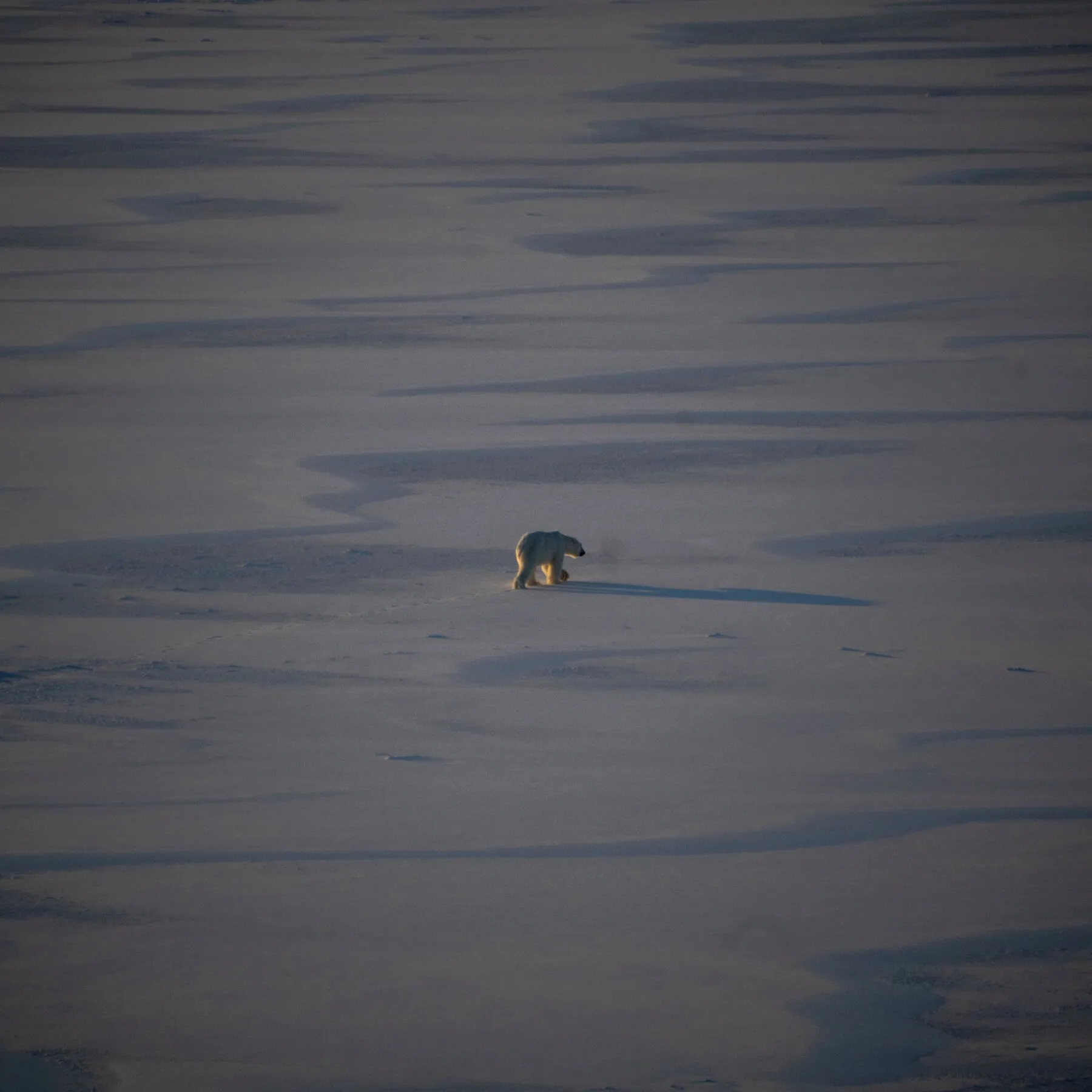
Arctic Winter Sea Ice Ties Record Low
Record Low Ice Extent
Wintertime sea ice in the Arctic has tied last year’s record low, according to the National Snow and Ice Data Center.
The winter peak matters because Arctic sea ice melts during the Northern Hemisphere summer and freezes back in winter. How much ice returns during the cold season is a leading factor in how much can survive the next summer melt.
Data cited by the center showed Arctic sea ice at a record low for this time of year, matching the low reached in 2025.
Why It Matters
Sea ice in the polar regions acts like a planetary air-conditioner by reflecting away the sun’s heat. It also helps regulate ocean conditions and provides habitat for wildlife.
The loss of ice is part of a broader global decline as humans burn fossil fuels for energy and emit greenhouse gases. But the Arctic is changing especially quickly: the region is warming four times as fast as the rest of the planet.
That rapid warming has made the extent of winter refreezing increasingly important, because thinner or less extensive ice is more vulnerable when temperatures rise again in summer.