
Clean Energy Investors Target Chip Roy After Federal Subsidy Cuts
Clean Energy Donors Turn to Political Retaliation
President Trump’s sweeping tax law last year eliminated most federal support for wind and solar energy, electric vehicles and other clean technologies. In response, a group of wealthy investors is going after the law’s architects, aiming to show that the clean energy industry is prepared to fight politically.
Their first target is Representative Chip Roy, the Texas Republican who led the push to end subsidies for clean technology in the One Big Beautiful Bill Act. Investors backing the effort include Chris Larsen, the billionaire co-founder of the cryptocurrency platform Ripple, who has contributed $500,000.
Texas Race Becomes First Test
The group is pouring money into Roy’s campaign for Texas attorney general. Clean energy backers have already spent $650,000 on television ads attacking Roy, a push that helped force him into a primary runoff this month.
They plan to add another $500,000 to the runoff and are preparing a list of other races they could enter this fall.
Roy’s top Republican rival, Mayes Middleton, is also hostile to renewables. As a Texas state senator, Middleton has introduced bills to restrict wind and solar power. Still, clean tech executives said they were not concerned that their spending might help elect another opponent of the industry.
A Warning to Opponents
The effort is intended as payback for what renewable energy leaders say was a major defeat in Trump’s tax bill.
“You’ve got to have some fear that if you vote against the clean energy industry, you may pay a political price,” said Michael Brune, former head of the Sierra Club and now chief executive of the Clean Break Fund, a climate investment group backed by Larsen.
Roy said in a telephone interview that the clean energy spending had affected the primary, but he described the opposition as a “badge of honor” and said he would continue trying to hurt the industry.
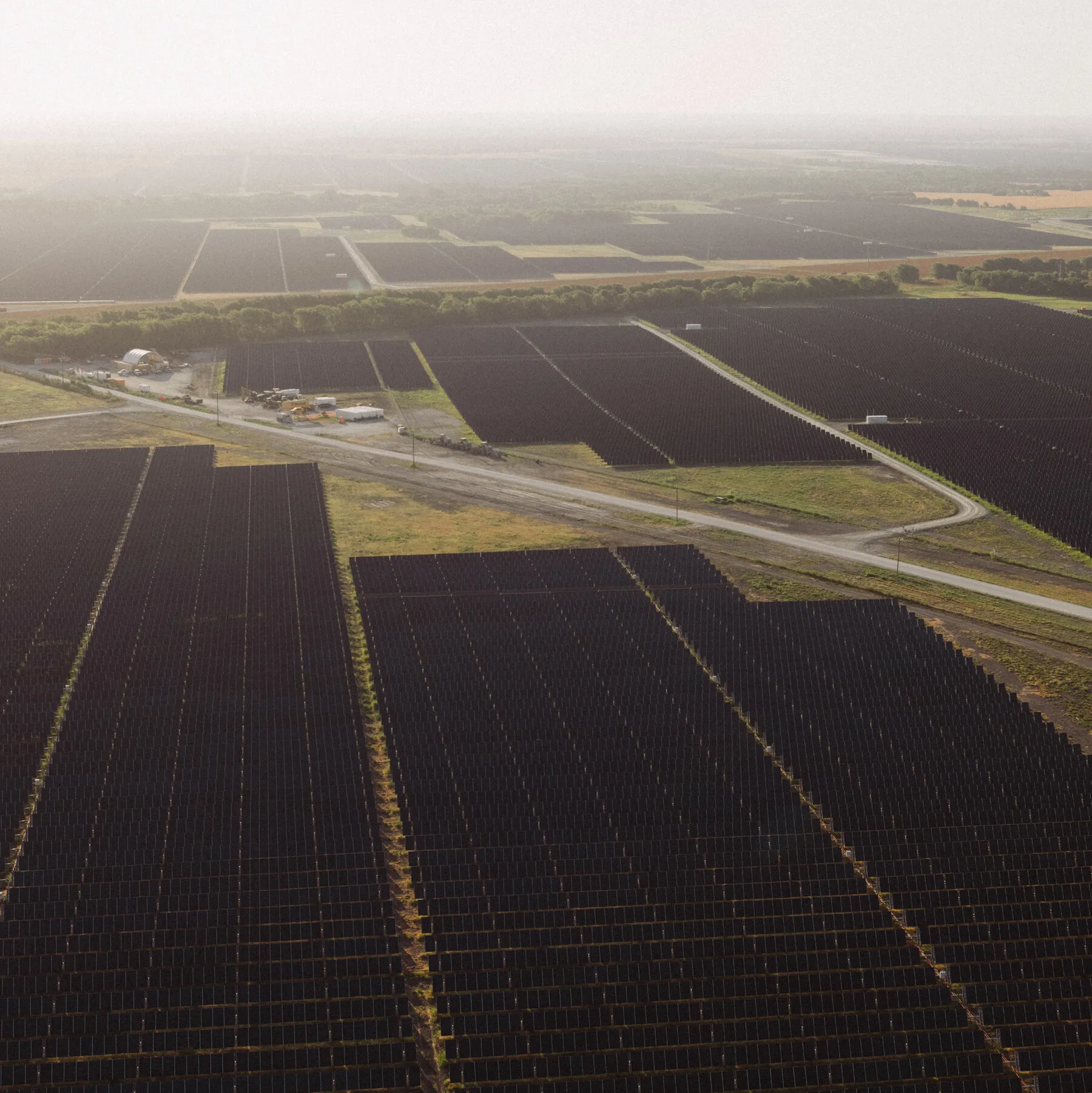
Texas is a major renewable energy state, ranking first in wind and second in solar capacity nationally, while generating nearly $300 million a year in state and local tax revenue from the sector.