
Climate Change May Be Lengthening Earth’s Day, WTO Digital Trade Pact Moves Ahead, and Maotai Slumps
Top Stories
A daily news digest on March 30, 2026, highlighted three developments: new research suggesting climate change is slightly lengthening Earth’s day, a group of World Trade Organization members moving ahead with baseline digital trade rules, and the economic slowdown hitting China’s famous liquor-producing town of Maotai.
Climate and Earth’s Rotation
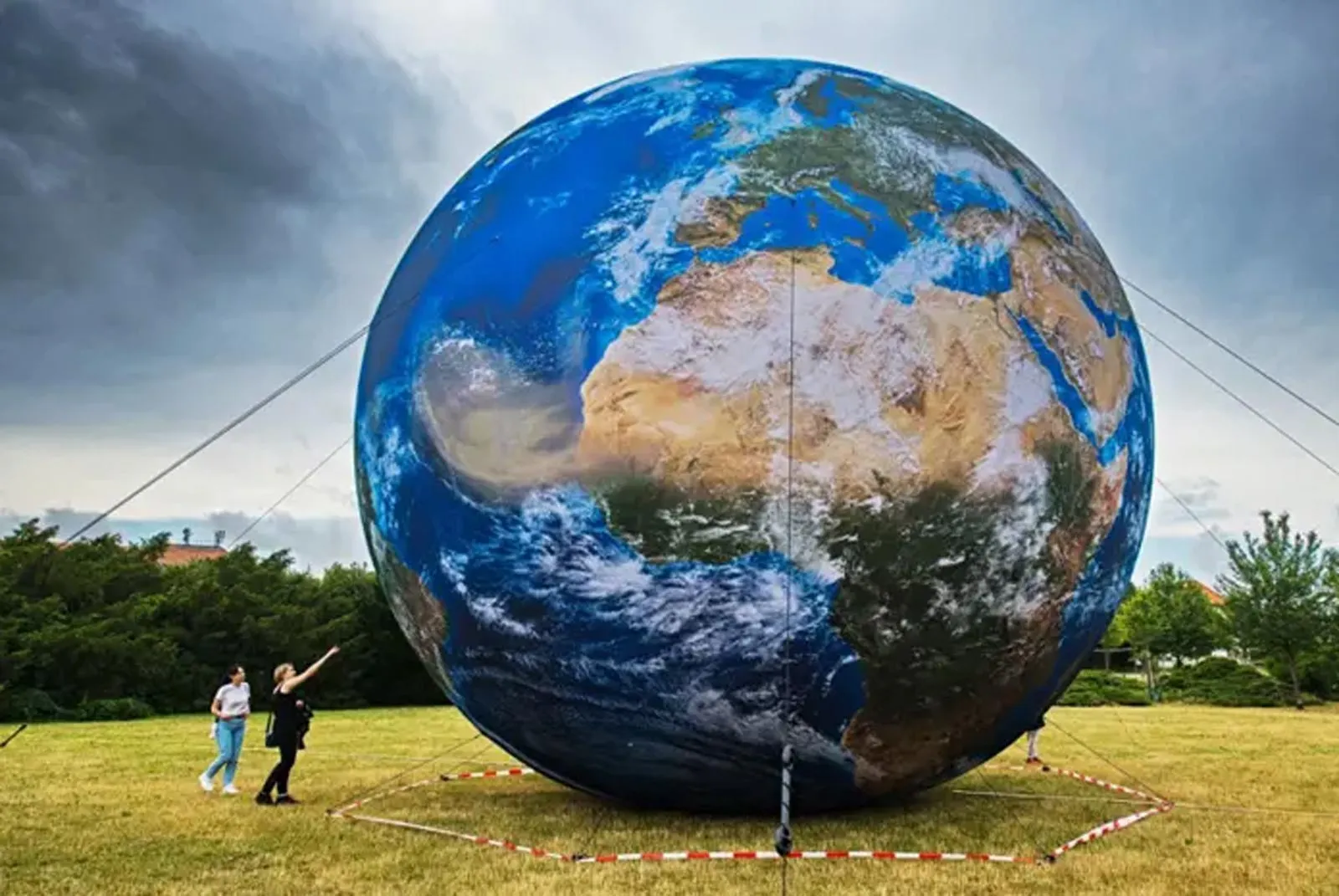
New research found that Earth’s rotation has slowed in recent decades, more than at almost any other time in millions of years. The slowdown is currently lengthening the day by 1.33 milliseconds per century, a change too small to notice in everyday life.
Researchers said the longer day could still matter for precise timekeeping and spaceflight navigation, both of which depend on Earth’s rotation. While a day is commonly taught as lasting 24 hours, the duration of Earth’s rotation changes because of the moon’s gravitational pull and geophysical processes inside Earth, on its surface, and in the atmosphere.
Earlier research by Mostafa Kiani Shahvandi of the University of Vienna and Benedikt Soja of ETH Zurich found that rising sea levels caused by accelerated ice melt at the poles and on glaciers help slow Earth’s rotation. In their latest work, the researchers analyzed the chemical composition of marine fossils as an indicator of sea level and used mathematical models to estimate changes in day length. The study, published in March, found that Earth’s rotation changed repeatedly over the past 3.6 million years.
WTO Digital Trade Deal Advances
Sixty-six WTO members agreed to bypass adoption hurdles for what the organization described as the world’s first baseline digital trade rules, choosing to bring the agreement into force among participating members.
The Plurilateral Joint Statement Initiative on E-Commerce includes provisions covering digital flows, electronic contracts, privacy, and consumer protection. India has long blocked the deal from being incorporated into the WTO framework, arguing that plurilateral arrangements undermine consensus.
Members accounting for 70% of global trade, including Australia, China, Britain, and the European Union, will now implement the agreement through domestic legislation. At the WTO’s 14th ministerial conference in Cameroon, the 66 members settled on an interim arrangement to activate the deal while continuing to seek broader incorporation into the WTO system.
Maotai Feels Austerity Pain
In China, the town of Maotai, birthplace of the well-known Kweichow Moutai baijiu brand, has deteriorated sharply in less than a year since austerity rules targeting expensive liquor took effect.
One local distillery, built after the Covid-19 pandemic subsided, had produced several hundred metric tons of baijiu a year using manual labor and initially saw brisk business. By last fall, however, it had halted production and laid off hundreds of employees.
The decline of that distillery reflects broader troubles in the town and across the baijiu industry. Baijiu, often regarded as China’s national drink, is commonly served at banquets, business dinners, and family gatherings. Maotai’s warm, humid climate, along with limited rain and wind, has long made it well suited for growing kaoliang sorghum and cultivating the microbes used in distilling the spirit.