
Connecticut bill would expand extreme weather protections for unhoused residents
Proposed protections
Connecticut lawmakers are considering a bill aimed at strengthening protections for unhoused residents during extreme heat and cold.
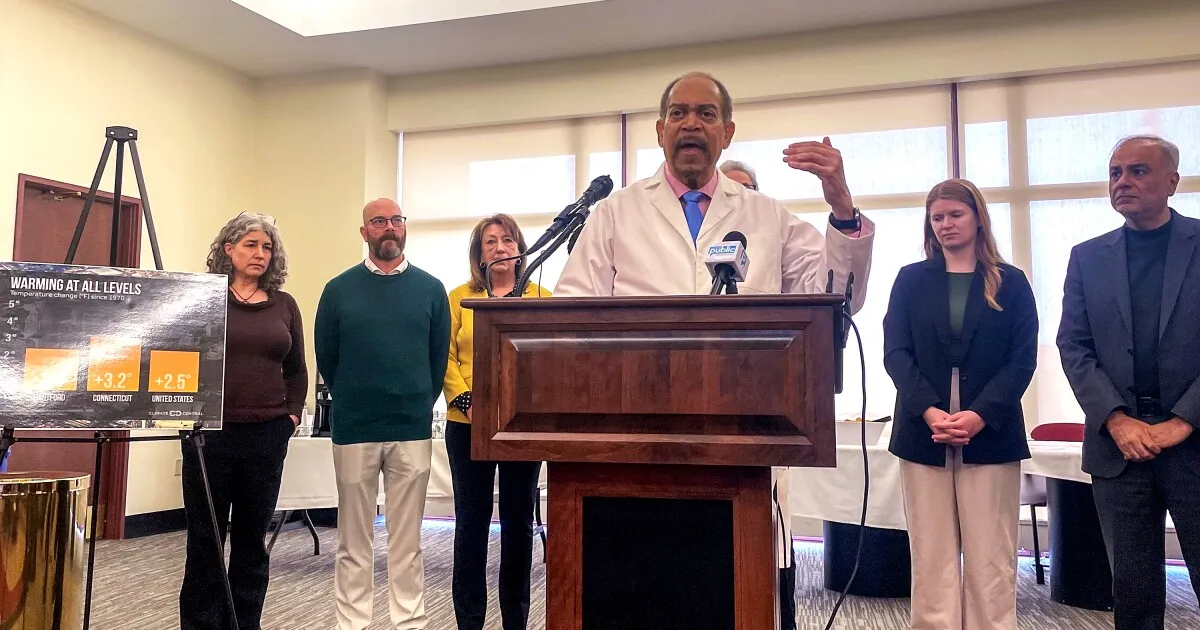
The measure, backed by Democratic state Sen. Saud Anwar, co-chair of the Public Health Committee, would require municipalities to open heating and cooling centers when certain weather thresholds are met. Unlike the current system, in which towns and cities decide whether to set up emergency shelters, the bill would create standardized protocols based on factors including temperature, heat index and wind chill.
Anwar said the state’s existing emergency weather response is not quick or coordinated enough. He argued that when a weather emergency begins, unhoused people should be moved into safe shelter immediately rather than forcing communities to rebuild a response each season.
Shelter, transport and alerts
The bill would also create a transportation system to help unhoused residents reach shelters. It calls for more efficient ways to inform the public about available services and emergency centers.
Anwar said about 20 people statewide died from cold weather exposure during the last winter. The proposal also addresses rising heat waves by establishing a more formal heat response system. Connecticut’s current heat response framework does not receive state funding and does not require overnight cooling centers.
Only in recent years has Connecticut taken steps to protect residents, particularly those who are unhoused, during periods of extreme heat. The new proposal would broaden those protections across severe weather events.
Climate and health concerns
Dr. Mark Mitchell of Connecticut Health Professionals for Climate Action said the health effects of climate change, including hotter summers and stronger winter storms, do not fall evenly across communities.
Mitchell said low-income communities and communities of color face disproportionate exposure to climate-related health risks, in part because of higher exposure and pre-existing health conditions. He said people of color and lower-income residents are more likely to have heart conditions and other comorbidities, and are often less able to leave when major storms, hurricanes or tornadoes approach.
The bill establishing extreme weather protocols is next headed to the Connecticut State Senate for consideration.