
IPCC Faces Procedural Deadlock and Funding Pressure
Mounting Strain at the Climate Panel
The Intergovernmental Panel on Climate Change, the U.N. body that assesses global warming risks and response options, is facing procedural gridlock and a potential budget crunch even as climate shocks accelerate around the world.
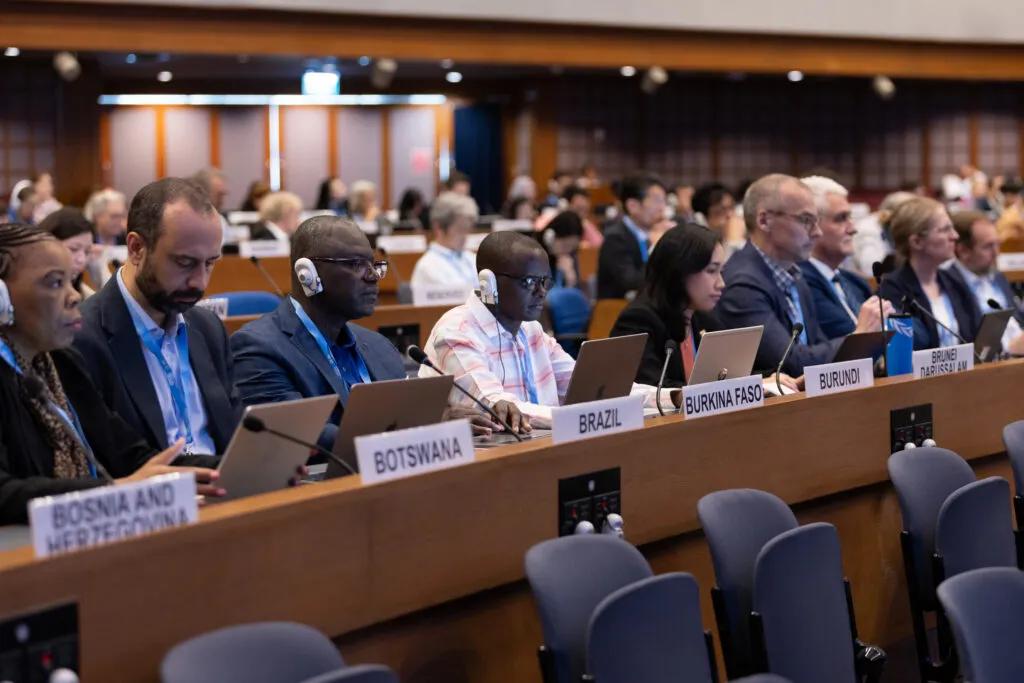
At its most recent plenary meeting in Bangkok, which ended last week, member governments failed to approve a definitive timeline for completing the panel’s seventh assessment report, despite the cycle having formally begun nearly two years ago. Experts also warned that dwindling funds could affect future work.
The IPCC, created in 1988 by global consensus, has issued major climate science assessments in cycles of roughly five to seven years. Its next report, focused on cities and climate change, is due in about a year. But uncertainty over procedures and funding has raised concern that international tensions could weaken the scientific and policy consensus the panel has long represented.
Timelines and Funding Risks
IPCC reports are widely used by governments to guide planning, investment and climate response. Delays or funding shortfalls could weaken that shared scientific foundation, especially for countries with limited scientific resources of their own.
IPCC Chair Jim Skea said the last couple of years have been the most challenging in the past 15 years of the panel’s work, but he stressed that the scientific process is continuing on schedule for now. Author teams and reviewers, including about 50 from the United States, are still meeting as planned. He said, however, that uncertainty about deadlines makes it harder for researchers who volunteer hundreds of hours to contribute.
Skea said the current budget should be enough to complete the reports planned through 2029, though funding risks appear in some worst-case scenarios. The panel operates on an annual budget of about $9 million from voluntary government contributions, but the value of its trust fund has fallen by roughly 30 percent in recent years because of the loss of U.S. funding and uneven support from other countries. For now, the shortfall is being covered by drawing down reserves.
He said the roughly $2 million gap left by the U.S. withdrawal is small enough that a handful of wealthier countries could cover it, but warned that longer-term problems could develop if contributions do not recover.
Signs of Deeper Friction
Mike Hulme, a professor of human geography at the University of Cambridge who has studied the IPCC for years, said the funding gap is only part of the problem. He said recent troubles may reflect a broader fraying of the assumptions that have held the panel together, with climate cooperation increasingly shifting toward side deals and parallel initiatives when consensus breaks down.
Independent observers with the Earth Negotiations Bulletin said the failure to agree on a formal timeline this early in an IPCC cycle was unprecedented. Their summary described a persistent divergence of views, contentious discussions spilling across agenda items and concern among some delegates about whether the work program can be delivered.
Jessica Templeton, who leads the Earth Negotiations Bulletin team and attended the Bangkok meeting, said the IPCC has become extremely political. She said the reports remain fundamental to global climate policy because they provide trusted scientific input vetted by every member country. Without them, many countries would lack the best available science to prepare for and respond to climate impacts.
Why the Reports Matter
Carl-Friedrich Schleussner, a lead author on an upcoming IPCC report, said the panel’s role is becoming more important as climate impacts already kill and displace tens of thousands of people each year while damaging property, food supplies and power systems.
He said much of the world still depends on the IPCC’s shared assessments to ground public policy discussions in evidence. But uncertainty about report timelines is a real concern that can fall especially hard on researchers from the Global South, potentially making participation more difficult.
At the same time, he said, the reports themselves are growing in scope and complexity as climate impacts intensify. Even so, Templeton said the October meeting offered some reason for hope, pointing to the number of participants still committed to working collaboratively under difficult geopolitical circumstances and delivering the panel’s next reports.