
New Hampshire ski areas invest in efficient snowmaking as winters warm
Ski areas turn to advanced snowmaking
New Hampshire ski areas, a key part of the state's winter tourism economy, are adapting to climate change by investing in advanced snowmaking technology as natural snow becomes less reliable.
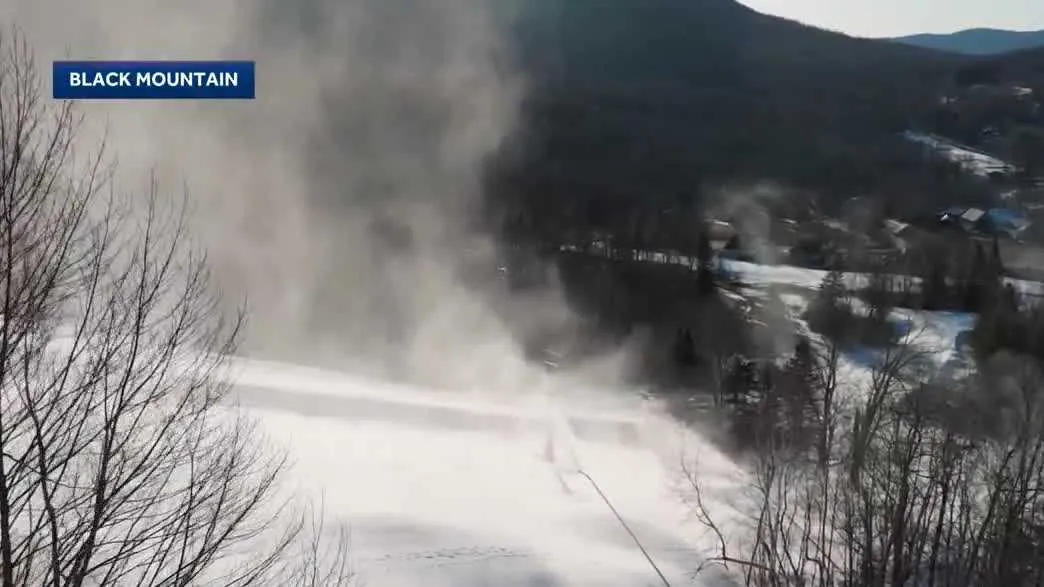
When snowy winters fail to materialize, snowmaking helps ski areas remain open and profitable. Black Mountain, which opened in 1935 and is New Hampshire's oldest ski area, installed the state's first snowmaking system in 1957.
Black Mountain owner Erik Mogensen said the early system was rudimentary, pumping water from a creek through basic piping and early snow guns. He said that system changed the course of skiing in the state.
Efficiency becomes essential
Mogensen said snowmaking technology has improved significantly over the past 50 years, with one of the biggest changes being snow guns that use less air.
"Air and water mix together to create snow, and we've really been working a ton with snow gun manufacturers and New Hampshire Electric Co-op to use less air," Mogensen said. "Less air, less money, same amount of snow."
Those upgrades can be expensive, but state electric utilities have worked through NHSaves to provide rebates and technical assistance to help ski areas invest in more efficient equipment. The equipment has been especially important during drought conditions.
Chelsea Smith of New Hampshire Electric Co-op said ski areas now have to depend much more on equipment such as snow guns because they can no longer rely on nature alone. She said the program helps ski areas evaluate their existing systems and identify more efficient options.
Shorter weather windows pressure operators
Mogensen said air temperature remains a major factor in the cost of snowmaking. Traditional snow guns can be efficient in very low temperatures, but newer gains in efficiency matter most during marginal temperatures, when ski areas increasingly need to make snow.
With a changing climate, he said, opportunities for natural snowfall and ideal snowmaking conditions are becoming shorter. More efficient systems allow operators to make better snow at higher temperatures and avoid repeatedly shutting systems down and restarting them.
Black Mountain is one of several ski areas in New Hampshire that have deployed high-efficiency snowmaking systems. Mogensen said the upgrades are essential because snow is the ski area's product, and improved snowmaking helps deliver better conditions and keep more trails open more often.