
Scientists Climb a Colorado Peak to Calibrate a Snow-Measuring Satellite
Mountain Measurements for a New Snow Satellite
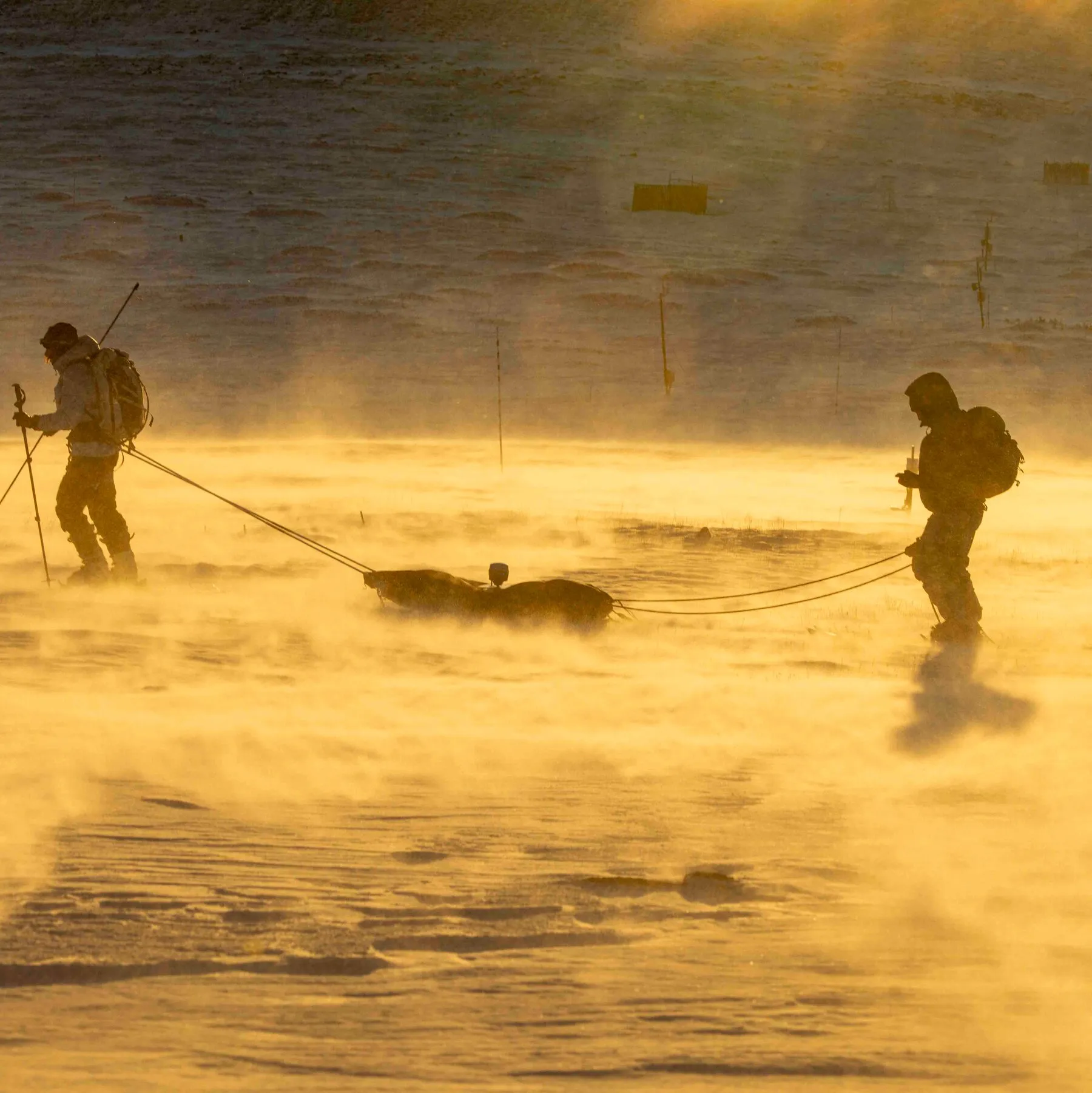
Before dawn on a recent Wednesday, three alpine scientists woke in a chilly research lab in the Colorado mountains, 11,500 feet above sea level, drank grainy coffee and set out on skis into the moonlight, pulling a sled full of gear. Their goal was to reach a mountaintop site in time for a new satellite to pass overhead.
The team needed to measure snow depth at that exact location and moment so their readings could be matched with the satellite’s observations. The satellite, equipped with powerful radar, could become the first capable of estimating how much water is stored on the ground in fallen snow from space.
If successful, the technology could significantly improve the study of snowpack, precipitation and water availability around the world, offering better data on how much water may flow into rivers and reservoirs in spring and summer.
Calibrating the Data
Before the satellite can deliver reliable estimates, it must be calibrated. One of the most accurate ways to do that is for scientists to be on the mountain measuring the snow under the same conditions, and at the same time, as the satellite’s overpass.
That timing is critical because snow conditions can change quickly, and the satellite passes over the same spot only once every 12 days. Similar field efforts are underway in other parts of the world as scientists work to verify the satellite’s readings.
On the Colorado mountainside, two of the researchers pulled a sled carrying a small portable radar system that can measure snow depth and density by being dragged back and forth across the slope. Working in the thin alpine air, the team gathered the ground-based measurements needed to help unlock the satellite’s potential.