
Study links extreme heat to higher risk of low birth weight in Pakistan
Study findings
Exposure to extreme heat is resulting in more babies being born with low birth weight, according to a new study involving Adelaide University researchers.
The study, published in *BMC Medicine*, used health data from more than 85,000 mothers and babies in Pakistan to assess the impact of extreme heat on infant size. Researchers combined 10 years of birth data from 2008 to 2017 with monthly mean temperature exposure to examine the link between heat and birth weight.
Pregnant women in the study were found to face a higher risk of delivering infants with low birth weight after exposure to extreme temperatures. In some parts of Pakistan, that risk was up to 70% higher.
Low birth weight burden
Researchers found that 18% of babies in the study had low birth weight, defined as weighing less than 2.5 kilograms or being described as smaller than average at birth.
Up to 13% of low birth weight cases were attributed to hot weather conditions. The study projected that this burden could increase by around 8% to 10% by the 2060s because of climate change.
The researchers said low birth weight is already a major neonatal health issue in Pakistan, contributing to neonatal mortality and long-term health problems including stunted growth and cognitive defects.
Areas at greatest risk
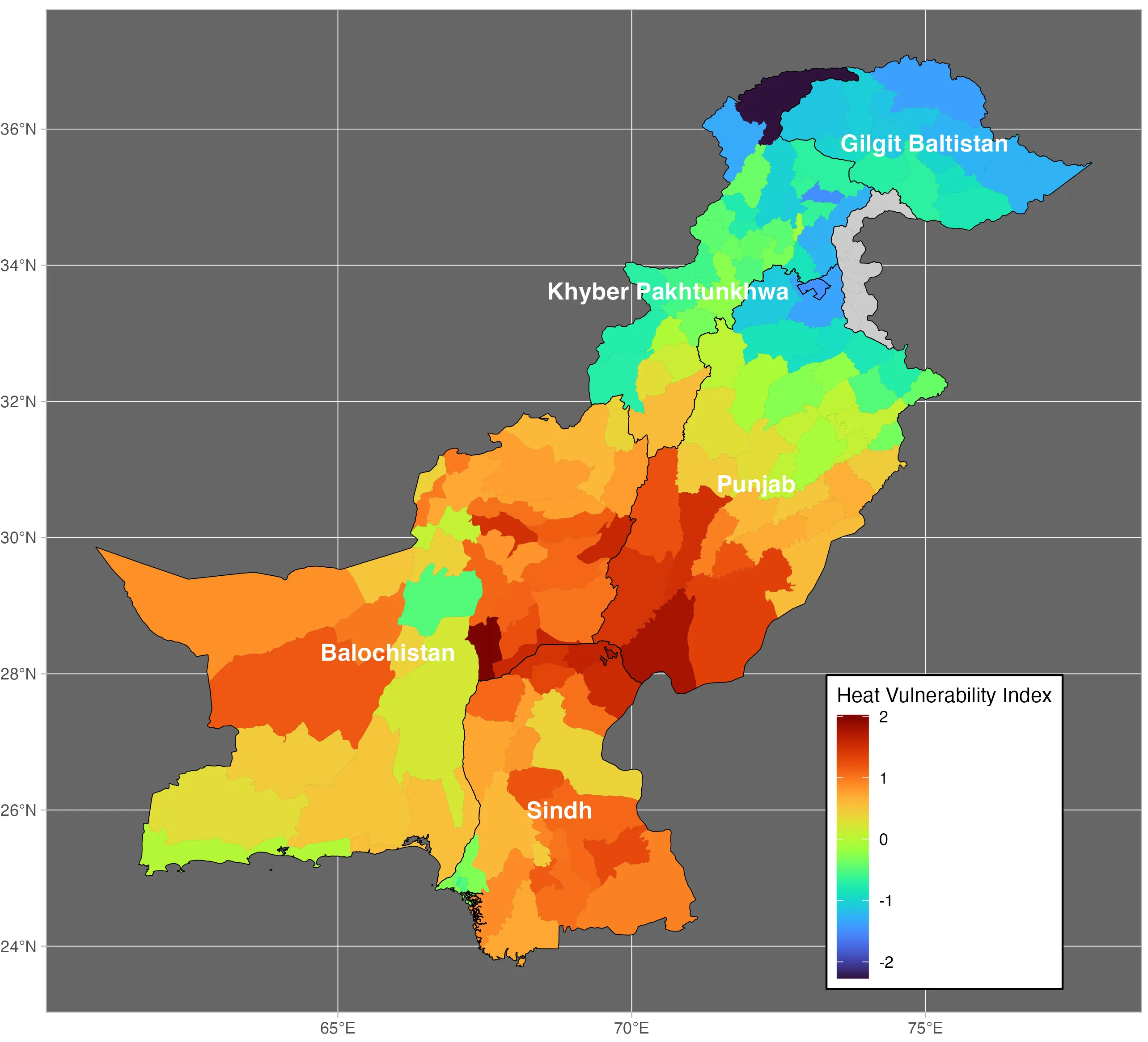
The study also developed a heat vulnerability index to identify provinces at greater risk of low birth weight linked to hotter temperatures. Southern Punjab, northern Sindh and Baluchistan were identified as the most susceptible regions.
Researchers said the elevated risks are shaped not only by hotter climates but also by socioeconomic disadvantage and other structural challenges. They noted that heat in Pakistan interacts with poverty, limited healthcare access, poor air quality and maternal undernutrition, deepening risks for mothers and newborns.
Pakistan has experienced more frequent heatwaves, droughts and floods in recent decades, raising concerns about the health and welfare of mothers and babies.
Calls for adaptation
The authors said climate adaptation in Pakistan must go beyond heat warnings and include stronger maternal health services, better protection for vulnerable pregnant women and targeted support for districts facing the greatest heat risk.
They called for urgent interventions to mitigate the effects of climate change, improve access to essential healthcare services and support sustainable development. Suggested measures included public health programs to help pregnant women cope with extreme heat events and investment in health infrastructure.
While the study focused on Pakistan, the researchers said the findings are relevant to other countries facing rising temperatures, including Australia, and underscore the need for public health preparedness and climate-adapted maternal care strategies.