
Study Shows Winter Snow Is Arriving Earlier but Melting Faster
Study finds major shifts in Northern Hemisphere snow cover
Four decades of satellite data show a clear shift in how, where and when snow falls across the Northern Hemisphere, with consequences for millions of people, including in the United States.
A new study published in the American Meteorological Society's Journal of Hydrometeorology found that areas losing snow cover now significantly outnumber those gaining it. Based on 43 years of observations, regions with declining snowpack outpace those seeing increases by about 2.5 to 1.
The steepest declines were observed across Europe and much of Central Asia, where warming temperatures are shortening the winter season. Researchers said southern Europe and central Asia are seeing earlier snowmelt without enough earlier fall snow to offset it, leaving those regions with shorter snow seasons overall.
Regional differences emerge
Snow cover across Europe consistently shrank over the 40-year study period, a trend researchers linked to steadily rising temperatures. By contrast, parts of central Canada and the northern Great Plains of the United States have trended toward slightly more snow.
The study said that can happen because a warmer atmosphere holds more moisture, and when temperatures remain cold enough, that added moisture can still fall as snow.
This winter has reflected some of those longer-term patterns. The northern tier of the U.S. has seen several major snowstorms. Marquette, Michigan, for example, is more than 93 inches above average for seasonal snowfall. Winter Storm Iona dropped more than 36 inches of snow there, and Winter Storm Hernando brought as much as 3 feet of snow to parts of the Northeast.
At the same time, the West has been largely left out of winter. Warmer-than-average temperatures and dry conditions have left parts of Colorado's snowpack at record lows.
Earlier melt may matter more than snowfall totals
Researchers said the larger change may be less about how much snow falls and more about when it arrives and how quickly it disappears. In some places, snow seasons are beginning a bit earlier in the fall but ending significantly sooner in the spring.
That earlier spring melt is especially important in the western U.S., where mountain snowpack acts as a natural reservoir. When snow melts too early, water runs off sooner, leaving less available during the hottest summer months, when demand is highest. The study said that can raise the risk of water shortages, strain agriculture and increase wildfire danger.
Snow also helps cool the planet by reflecting sunlight. When snow cover is reduced, the Earth absorbs more heat, contributing to additional warming.
Arctic trend stands out
The trend of snow arriving sooner and melting sooner was most pronounced in the Arctic. Researchers found that snow there disappeared earlier with each decade studied, pushing the region closer to a threshold at which permafrost begins melting and releasing large amounts of carbon and methane.
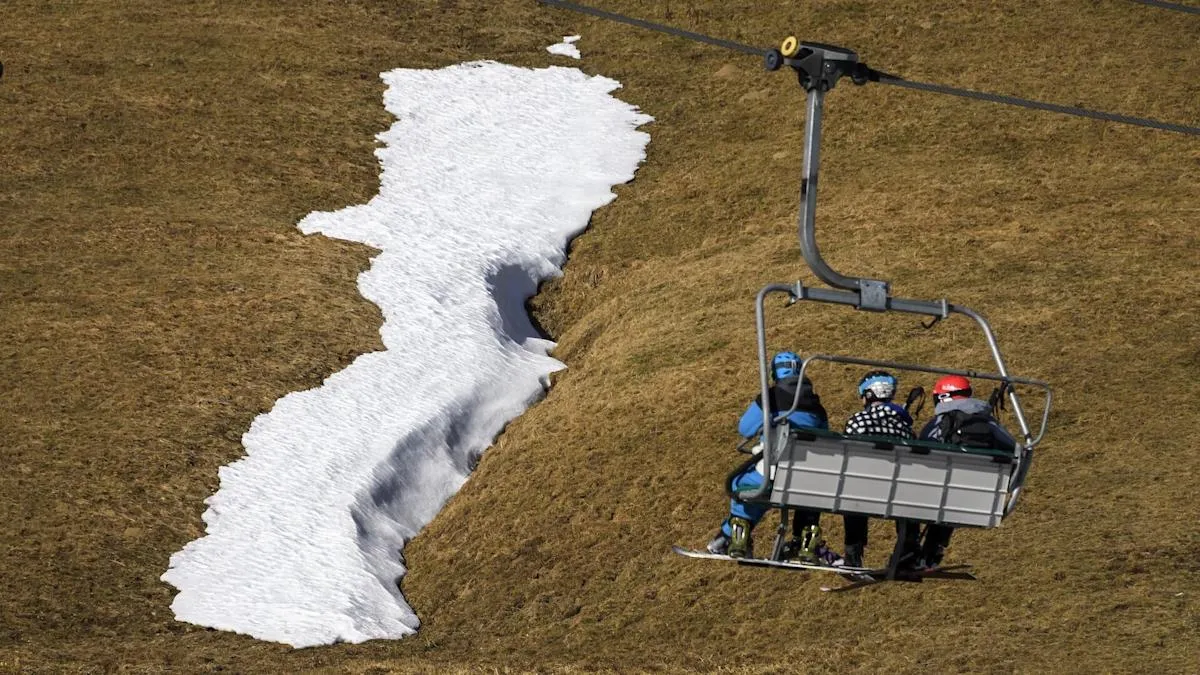
For Americans, the effects are already showing up in shorter ski seasons in some regions, shifts in spring flooding patterns and drier conditions later in summer.
While snowfall will continue to vary from year to year, the study points to a long-term pattern of less snow across the Northern Hemisphere and a winter season that is increasingly out of sync with the past.